Tree Removal Solutions: Guaranteeing Safety and Visual Appeal in Your Yard
Tree removal service options are an essential part of preserving a secure and aesthetically pleasing outdoor space. Trees that are overgrown, damaged, or diseased can present serious hazards to both property and people. Additionally, strategic tree removal can dramatically improve the overall aesthetics of a landscape. Recognizing when and why these services are needed allows property owners to make educated decisions. What factors should one consider before proceeding with tree removal?
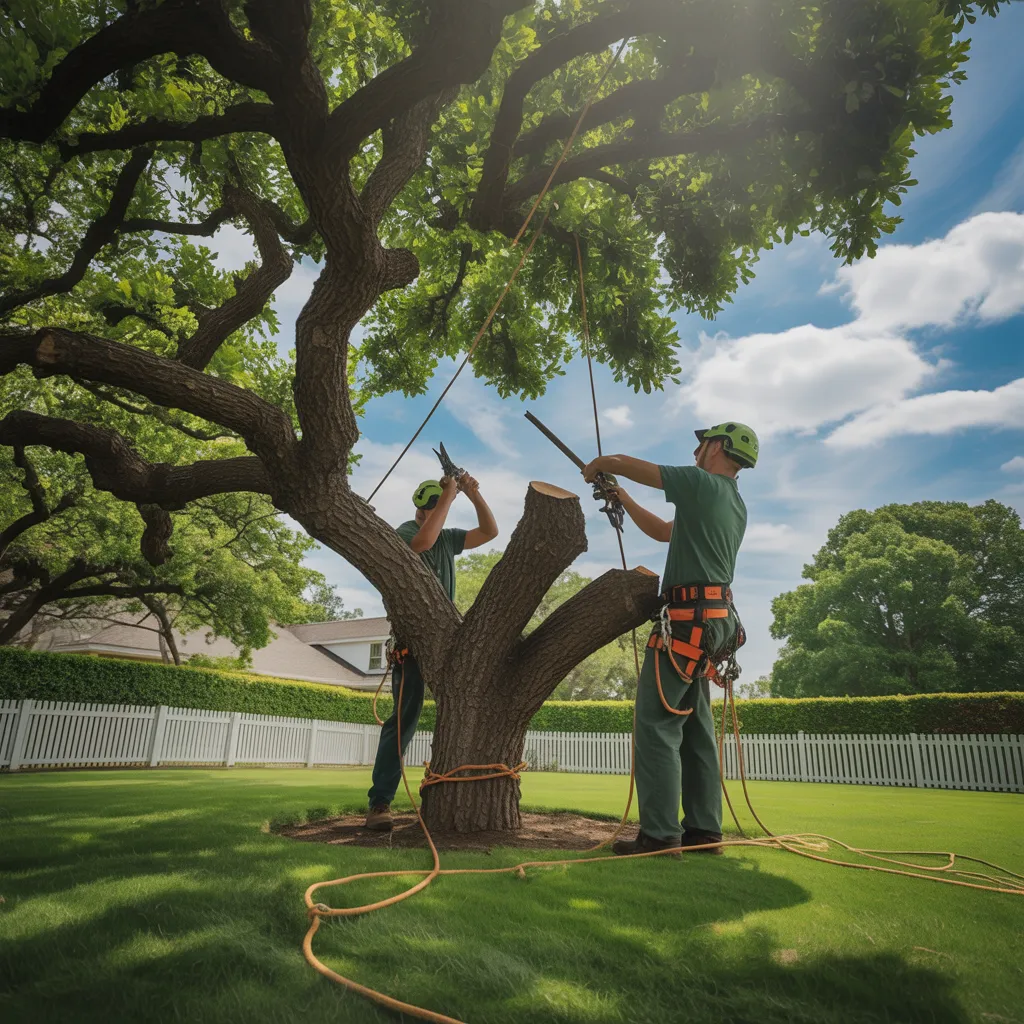
Recognizing When Tree Removal Is Necessary
Furthermore, ecological considerations, encompassing roots intruding upon foundations or walkways, can require the tree to be removed. Finally, the overall appearance and space requirements of a property may affect the final decision. By evaluating these aspects, property managers can reach well-informed decisions regarding removing trees, guaranteeing the safety and aesthetic quality of their property.
Why Removing Trees Is Essential for Safety
When examining property safety, removing trees often becomes critical, especially when trees present hazards to surrounding structures or people. Overgrown or damaged trees can lead to significant hazards, like collapsing branches or complete trees falling during storms. These incidents can cause severe damage to homes, vehicles, and outdoor spaces, while also presenting a danger to the wellbeing of residents and guests.
Furthermore, trees plagued by pests or diseases may undermine their structural integrity, elevating the probability of unpredictable failures. In metropolitan areas, nearness to power lines further amplifies the necessity of removal, as downed limbs can disrupt electrical services and generate perilous circumstances.
How Professional Tree Removal Enhances Landscape Aesthetics
Skilled tree removal greatly boosts outdoor aesthetic quality by enhancing the visual harmony of exterior environments. By carefully eliminating oversized or poorly positioned trees, residents can maximize sun exposure, fostering stronger growth in adjacent plant life. Moreover, a carefully tended landscape commonly contributes to greater home value, rendering professional tree removal an excellent long-term investment.
Refined Visual Symmetry
A well-maintained landscape often relies on the precise balance of its elements, and tree removal can play a pivotal role in achieving this harmony. When certain trees grow too large for or fall out of sync with the overall design, they can disrupt the visual flow of the yard. Professional tree removal allows homeowners to redefine sightlines and create a more unified visual appeal. This process can bring greater attention to existing features, such as planted areas or landscape structures, allowing them to shine without competition from unruly foliage. Furthermore, the removal of damaged or lifeless trees can prevent visual clutter, contributing to a more polished appearance. Ultimately, strategic tree removal fosters a degree of harmony, elevating the attractiveness and charm of the overall landscape.
Increased Sunlight Exposure
While the presence of trees can provide shade and shelter, excessive canopy coverage often leads to diminished sunlight exposure in a landscape. Skilled tree removal can substantially boost the attractiveness of outdoor environments by enabling more sunlight to filter through. Enhanced sunlight exposure nurtures stronger grass and plants, stimulating rich colors and vigorous development. Moreover, it can cultivate a more appealing setting, causing outdoor spaces to appear more expansive and accessible. Such an improvement can further emphasize the architectural details of the property and refine the overall aesthetic balance of the outdoor space. By strategically removing select trees, homeowners can achieve a harmonious blend of greenery and light, enhancing the enjoyment of their outdoor environment.
Elevated Property Value
Strategic tree removal can significantly boost property value by enhancing landscape aesthetics. When dead, diseased, or overcrowded trees are removed, homeowners can create a more open and inviting space. This not only enables greater sunlight access but also draws attention to the existing plants, rendering the yard more groomed and visually pleasing. Skilled tree removal professionals make certain that trees are taken down safely and efficiently, protecting adjacent structures from potential damage. Moreover, a thoughtfully maintained landscape can enhance curb appeal, rendering properties more appealing to interested buyers. By investing in professional tree removal, homeowners can considerably elevate the visual appeal of their outdoor spaces, ultimately leading to an increase in overall property value and marketability.
What to Look for in a Tree Removal Service
When selecting a tree removal service, what attributes should one look for to ensure a successful and smooth process? First, confirm the company's qualifications, including licensing and insurance. This confirms that the service is legitimate and protects against potential liabilities. Additionally, evaluate the skill level and knowledge of the team. An experienced crew can properly evaluate the circumstances and complete the removal without harming nearby structures.
In addition, past client reviews and recommendations shed light on the reliability and quality of the company's work. A reputable service should also provide clear and detailed estimates and a straightforward process, identifying possible risks and approaches. To conclude, seek information regarding safety procedures and machinery applied during the removal process. Emphasizing these important attributes can ensure a more streamlined experience, verifying that the tree is handled efficiently while ensuring safety and a professional approach from start to finish.
Garden Upkeep Tips After Removing a Tree
Following tree removal, homeowners ought to concentrate on restoring the landscape to bring back its visual charm and vitality. The first step involves inspecting the area for residual roots or waste material, which may obstruct new plant development. Eliminating leftover stumps or wood debris is vital to prevent pest infestations and create space for new plants.
Additionally, property owners should evaluate soil health. Testing the soil can reveal nutritional gaps, enabling the right corrective treatments to encourage new plant growth. Selecting appropriate or native plants for replanting can contribute to sustaining the natural ecosystem and elevate the overall appearance of the landscape. Placing mulch near new plantings helps retain soil moisture while keeping weeds at bay.
Consistent watering and checking for pests is essential throughout the initial development period. In addition, creating a regular maintenance schedule, which includes scheduled pruning and fertilization, helps foster a thriving outdoor space. By following these tips, residents can be confident their yards will prosper after tree removal.
Busting Myths Surrounding Tree Removal Services
Within the realm of tree removal services, various misunderstandings often surface that may lead homeowners astray. Such myths commonly disregard key elements such as safety concerns and the ecological consequences of removing trees. Through examining these widespread misconceptions, a clearer picture of professional tree removal can emerge.
Widespread Myths and Misconceptions Debunked
Common myths surrounding tree removal services frequently obscure public awareness, leading to hesitation in seeking professional help. A common misconception is that all tree removal is dangerous and should be attempted only by trained professionals. Even though safety is undeniably important, numerous trees can be safely taken down using the right methods and tools. Another misconception is that tree removal always leads to higher property value; however, this is not always the case and depends on various factors. Furthermore, many assume that tree removal leaves behind a desolate landscape, yet professional services can significantly improve outdoor appeal with thoughtful design. At its core, correcting these false beliefs helps property owners approach tree removal decisions with greater knowledge and assurance.
Safety Risks Ignored
Despite the common belief that tree removal is a straightforward task, many homeowners underestimate the hazards involved. The process is far more complex than cutting down a tree; it demands professional knowledge to handle potential hazards such as falling branches, electrical lines, and unstable ground. Inexperienced persons often fail to account for these dangers, leading to injuries or property damage. Moreover, the use of heavy equipment requires specific knowledge to use without incident. Myths persist that hiring professionals is unnecessary, yet experienced tree removal services are outfitted with the right tools and safety protocols to reduce dangers. Disregarding these safety concerns can have severe outcomes, making it imperative for homeowners to recognize the complexities of tree removal before taking it on without help.
Environmental Impact Misconceptions
Although many assume that tree removal is always damaging to the environment, this viewpoint frequently neglects key considerations. When conducted properly, tree removal can foster ecological stability. As an example, removing dead or diseased trees prevents the spread of pests and diseases, protecting the nearby plant life. Furthermore, strategic tree removal can enhance sunlight exposure for healthier plants and strengthen soil conditions by limiting the rivalry for essential nutrients. Moreover, once trees are cleared, responsible measures including replanting or using native species in landscape design can result in greater biodiversity. Unfounded beliefs that all tree removal causes damage overlook the positive outcomes of well-considered intervention, demonstrating that when done correctly, tree removal can contribute positively to the environment. Recognizing these subtleties is key to thoughtful and knowledgeable tree care decisions.
Popular Questions We Receive
How Much Does It Usually Cost to Remove a Tree?
Tree removal typically costs anywhere from $300 up to $2,000, depending on factors such as the size of the tree, its location, and the difficulty of the work. Extra charges may apply for stump removal or challenging access conditions.
Will Homeowners Insurance Pay for Tree Removal?
Tree removal may be included in home insurance coverage, subject to specific policy terms and the circumstances surrounding the removal. It's essential for homeowners to carefully examine their policies and speak with an insurance representative for clarity.
How Long Does It Take to Complete the Tree Removal Process?
The tree removal process generally requires a few hours to a full day, depending on the tree's location, size, and overall complexity. Elements such as crew and equipment availability can also impact the length of the job.
Is It Possible to Remove a Tree on My Own?
Cutting down a tree by yourself is achievable, but it demands considerable expertise, ability, and cautionary measures. Numerous elements, such as the tree's size and placement, affect the choice. Hiring a professional is commonly suggested to secure safety detailed article and appropriate technique.
What Permits Do You Need for Tree Removal?
Local ordinances often dictate the necessary permits for removing trees. Generally, homeowners must review municipal guidelines, as permits could be needed for particular tree varieties, dimensions, or if the tree is located in protected areas.